eSIM vs. Physical SIM: Which Is Better
eSIM vs. Physical SIM: Which Is Better?
Choosing between an eSIM and a physical SIM card can significantly impact how convenient and flexible your mobile connectivity is—especially when traveling. While both technologies serve the same purpose, they differ in setup, usability, and future potential.
Below is a clear comparison to help you decide which option is better for your needs.
What Is a Physical SIM?
A physical SIM is a removable plastic card inserted into your phone. It stores subscriber information and connects your device to a mobile network.
Pros:
- Works on almost all phones
- Easy to move between devices
- Familiar and widely supported
Cons:
- Can be lost or damaged
- Requires physical replacement when changing carriers
- Inconvenient for travelers who need quick connectivity
What Is an eSIM?
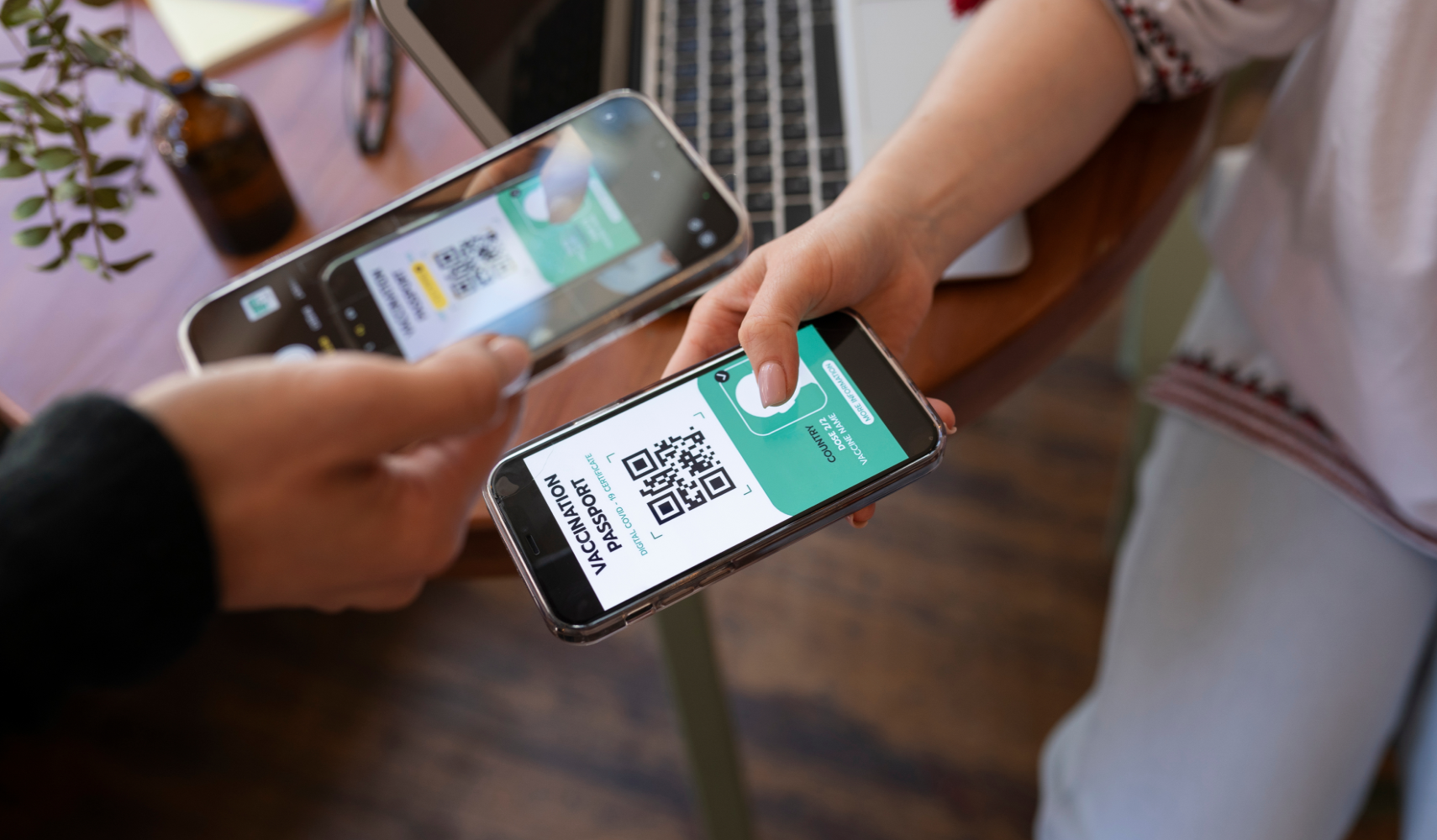
An eSIM (embedded SIM) is built directly into your device and activated digitally—usually by scanning a QR code.
Pros:
- No physical card required
- Instant activation
- Multiple profiles on one device
- Ideal for travel and short-term data plans
Cons:
- Not supported on very old devices
- Transferring between phones may require re-issuance
Setup and Activation
With a physical SIM, activation often requires waiting for delivery or visiting a store.
With eSIM:
- Activation is digital and immediate
- No tools or SIM trays needed
- Can be installed anywhere with Wi-Fi
Modern smartphones from manufacturers like Apple and Samsung are designed with eSIM as a core feature.
Travel and Roaming Comparison
| Feature | eSIM | Physical SIM |
|---|---|---|
| Activation speed | Instant | Delayed |
| Roaming flexibility | High | Limited |
| Multiple countries | Easy | Requires swaps |
| Risk of loss | None | Possible |
For international travel, eSIM clearly offers more convenience and control.
Security and Reliability
- eSIM cannot be physically stolen or swapped
- No SIM tray means fewer hardware issues
- Profiles can be remotely managed or disabled
Physical SIMs are reliable but more vulnerable to loss or damage.
Which One Should You Choose?
Choose eSIM if you:
- Travel frequently
- Want instant mobile data
- Use a modern smartphone
- Prefer digital-first solutions
Choose physical SIM if you:
- Use an older device
- Frequently switch phones
- Need maximum compatibility
The Future of SIM Technology
The industry is clearly moving toward eSIM. Some smartphones are already eSIM-only, and support continues to expand across devices and regions.
While physical SIMs are still useful, eSIM is the more future-proof choice.
Tags
eSIM vs SIM, eSIM comparison, physical SIM card, travel connectivity, mobile data abroad, digital SIM, smartphone SIM
Which Devices Support eSIM in 2025
07 Jul 2025

How to Use eSIM When Traveling Abroad
19 Apr 2025
How to Set Up an eSIM on Your Smartphone
16 Apr 2025